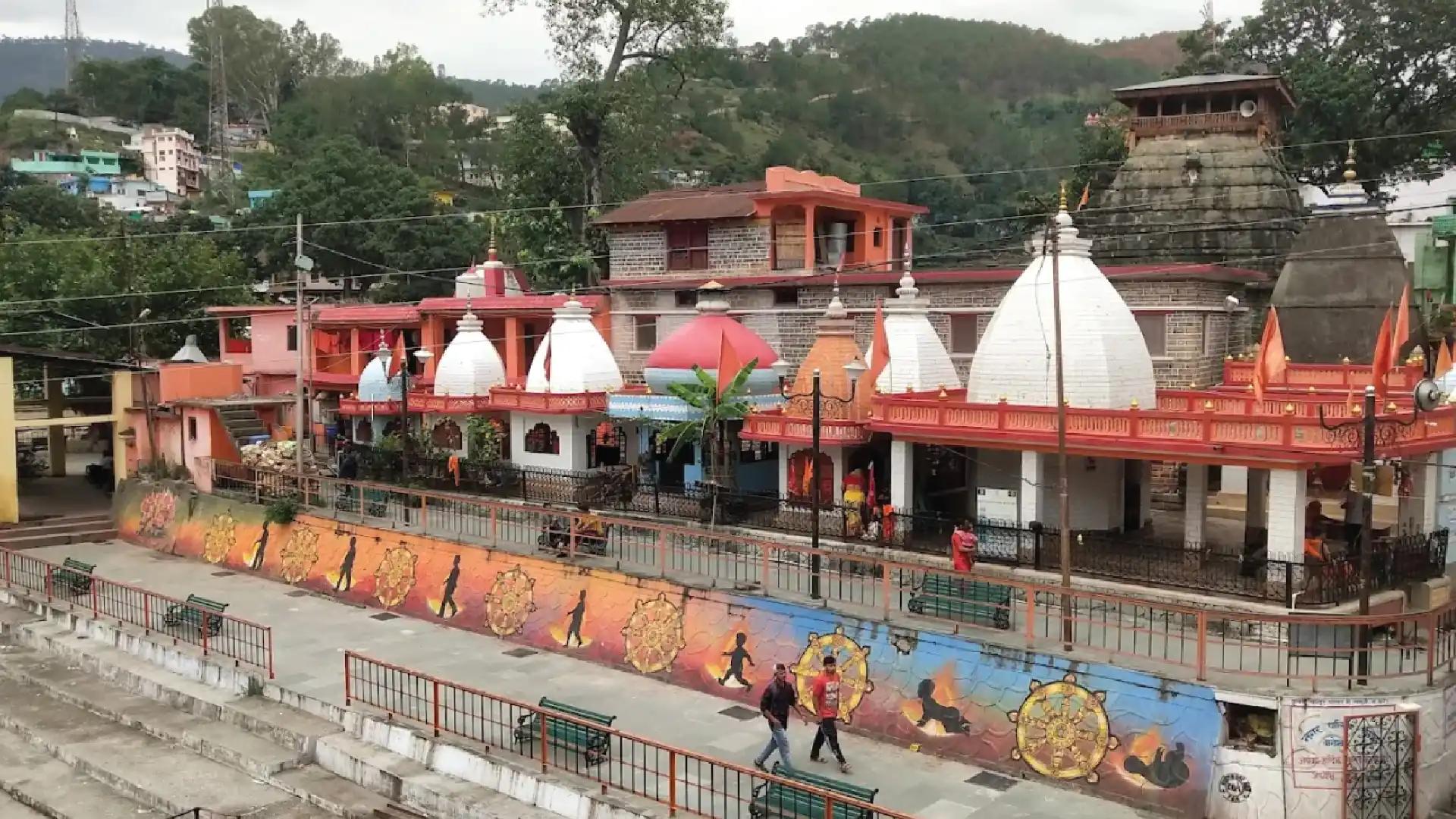
Bagnath Temple Bageshwar - The Ancient Tiger Lord of Kumaon
Explore the legend of the Tiger Lord and the historic Uttarayani Mela
Distance
Duration
Starting from
Bagnath Temple (Bageshwar)
Bagnath Temple Bageshwar - The Ancient Tiger Lord of Kumaon
📜 The Legend of the Tiger Manifestation
The name "Bagnath" translates to "Lord of the Tigers," a title born from an ancient encounter between a sage and the divine. Legend tells of the great Sage Markandeya, who chose this sacred river confluence for his intense penance.
To bless the sage and test his devotion, Lord Shiva appeared in the form of a Bagh (Tiger), while Goddess Parvati took the form of a cow. It is said that the sage, recognizing the divine presence even in the fierce predator, attained enlightenment here. The temple was later established to mark this celestial meeting, standing at the very point where the sage's prayers reached the heavens.
Historically, while the site is ancient, the current stone structure was commissioned in 1602 AD by Raja Laxmi Chand of the Chand dynasty, who sought to restore the grandeur of this Kumaoni spiritual capital.
🧳 Traveler’s Guide
- 📍 Location: Situated in the heart of Bageshwar town, at the confluence of the Sarayu and Gomati rivers.
- 📅 Best Time to Visit: January (for the Uttarayani Mela) or the pleasant spring months of March and April.
- 🚶 Accessibility: Very Easy; the temple is the central landmark of the town and is accessible by a short walk from the local market.
🙏 Rituals & Festivals
- 🎉 Uttarayani Mela: One of Kumaon's largest and most historic fairs, held in mid-January (Makar Sankranti). Thousands of pilgrims gather to take a holy dip and trade local hill crafts.
- 🔥 Maha Shivratri: The temple echoes with the chants of "Bam Bam Bhole" as devotees stay awake all night to perform the four rounds of puja for Lord Shiva.
📍 Nearby Attractions
- 🔱 Chandika Devi Temple (2 km): A powerful shrine dedicated to the Goddess, offering a bird's-eye view of Bageshwar town.
- 🏛️ Baijnath Temple Complex (26 km): A stunning group of 12th-century stone temples located on the banks of the Gomati river.
- 🏔️ Kausani (38 km): A famous hill station known as the 'Switzerland of India' for its panoramic Himalayan views.
Key Highlights
- 1. Located at the holy Sangam of Sarayu and Gomati rivers.
- 2. Rebuilt in 1602 AD by the Chand kings.
- 3. Site of the famous annual Uttarayani Mela.
- 4. Known as the 'Kashi' of the Kumaon region.
Bageshwar
District
Shiva Temple
Type
Temple Timings
Pooja/Aarti Timings
Morning Aarti & Evening Aarti
Book a Taxi to This Temple
Reliable taxi service from Kathgodam to this sacred destination
History & Significance
✨ Spiritual Significance
- 🕉️ The Uttar Kashi of Kumaon: Bageshwar is often compared to Varanasi (Kashi) because of its location on the banks of holy rivers and its status as a supreme center for Shaivism.
- 🌊 The Holy Confluence: The Sangam (confluence) of the Sarayu and Gomati rivers is believed to possess immense purifying powers; a dip here is said to liberate the soul from past karmas.
- 🐅 Protection of the Wild: As Bagnath, Shiva is worshipped as the protector of all creatures, particularly the wild inhabitants of the Himalayan forests.
🎨 Architectural Style
- 🏗️ Classic Nagara Shikhara: The temple features a majestic conical stone tower (Shikhara) typical of North Indian temple architecture, built entirely from local grey stone.
- 🪨 Intricate Stone Carvings: The exterior walls are adorned with weathered but exquisite carvings of deities, including Lord Ganesha, Vishnu, and various forms of Shakti.
- ⛩️ River-Facing Gateway: The temple layout is strategically aligned to face the river confluence, allowing the sound of the flowing water to resonate within the inner sanctum.
How to Reach Bagnath Temple (Bageshwar)
From Kathgodam
From Kathgodam: Approx. 150 km drive (5-6 hours) via Almora and Kausani.
Nearest Railway Station
Kathgodam (150 KM)
Nearest Airport
Pantnagar Airport (185 KM)
Ready to Visit Bagnath Temple (Bageshwar)?
Book a comfortable taxi from Kathgodam to Bagnath Temple (Bageshwar). Fixed prices, reliable drivers, and hassle-free pilgrimage experience.